Every great advance in science has issued from a new audacity of imagination.
— John Dewey
My work lies at the crossroads of psychology, technology, and human-centered design. With a background in psychology, education, and industrial relations, I have spent over ten years exploring how people learn and make decisions, especially in complex digital environments. This journey has included developing tools like the Values Visualizer app for career decision-making and conducting UX research in high-pressure settings like Mayo Clinic, where I helped implement AI-powered diagnostic and educational tools.
Today, I’m curious about human cognition in digital contexts. Learning how constant exposure to computerized systems impacts brain executive functions is my particular interest. Understanding this relationship will help create more meaningful and natural interactions between people and the digital world.
My Approach:
Understanding How People Think
I start every project by understanding how people think, decide, and act in complex digital settings. My work is based on cognitive science and UX research. It focuses on discovering user needs and how mental models, attention, and trust influence technology use, especially when AI is involved.
Aligning with Business Goals
My background in psychology and industrial relations helps me connect research insights with strategic goals. I turn behavioral data into practical recommendations that support user understanding and business results. This way, ethical and sustainable innovation meets real-world needs.
Thinking Beyond the Obvious
Welcome to a world of limitless possibilities, where the journey is as exhilarating as the destination, and where every moment is an opportunity to make your mark on the canvas of existence. The only limit is the extent of your imagination.
Co-creating in Interdisciplinary Teams
I believe the best digital solutions emerge from collaboration. I thrive in diverse teams where researchers, designers, developers, and stakeholders share responsibility, communicate openly, and work toward common goals, especially in high-pressure AI-supported environments.
Writing Samples
Don’t Fight Confirmation Bias. It Helps You Become a Better Decision-Maker
Nataliia Bulaieva
Jan 7, 2020
How many times did you hear advice to look at the problem from different angles to make a better decision? Did you know that its main purpose was overcoming confirmation bias? Many researchers say confirmation bias is our worst enemy as it forces us to seek out evidence that support our beliefs and neglect contradictory facts. Therefore, we have to bring it under control to become better decision-makers. But how else can we test hypotheses to explore the world without looking for evidence that support our beliefs? In this article, I’d like to investigate an alternative side of confirmation bias and discuss why confirmation bias may be an ally in the decision-making process.
READ MORE
Resting Mind at Work: How the Default Mode Network Informs the Development of Virtual Reality
Nataliia Bulaieva
Dec 15, 2024
Today, the Default Mode Network (DMN) is understood as an interconnected group of brain regions that are involved in internal cognitive processes like self-reflection, daydreaming, memory retrieval, and future planning even when the individual is not actively focused on an external task. The DMN’s effective regulation and its dynamic interaction with other brain networks (i.e. the Central Executive Network and the Salience Network) is crucial for cognitive load management. Cognitive load is a critical concern in VR because the highly immersive nature of virtual environments can easily overload a user’s mental processing capacity, leading to decreased performance, impaired learning, discomfort, and even cybersickness. Therefore, designing VR experiences that support the proper DMN activation will facilitate managing cognitive load effectively, thus optimizing user experience and achieving desired performance outcomes in a 3D environment.
READ MORE
Endorsements

Stas Shakirov
Co-founder & CTO @ Humy AI
“Nataliia advised our startup about UX methods. Her advice about product development helped us to iterate the product much faster and make fewer mistakes during the development phase. Figma prototypes and using user personas saved us a lot of time. The research insights Nataliia gathered allowed us to make our app more intuitive.”

Teresa Atkinson
Sr. Manager @ Mayo Clinic
“Natalia’s assignment to help our team understand consumer desires demonstrated her strategic thought process, execution, and communication. She collaborated seamlessly with all stakeholders and ultimately drove this to the finish line.”

Julie McAdams
Operations Manager @ Mayo Clinic
“Thanks to Nataliia’s ability to work with qualitative and quantitative research methods, we were able to gather important insights about customers’ pain points and expectations from CME offerings. These insights enabled us to create a strategic plan for consistent improvements in customer experience.”

Michelle Spinelli
UX Researcher @ Schlumberger
“Incredibly talented in observation and empathy stands out to me among many other skills Nataliia holds as a UX Researcher. During our work together, I was impressed with Nataliia’s curiosity and perceptiveness. She is always ready to tackle each challenge with a smile and a “can-do” attitude.”
Beyond the Work
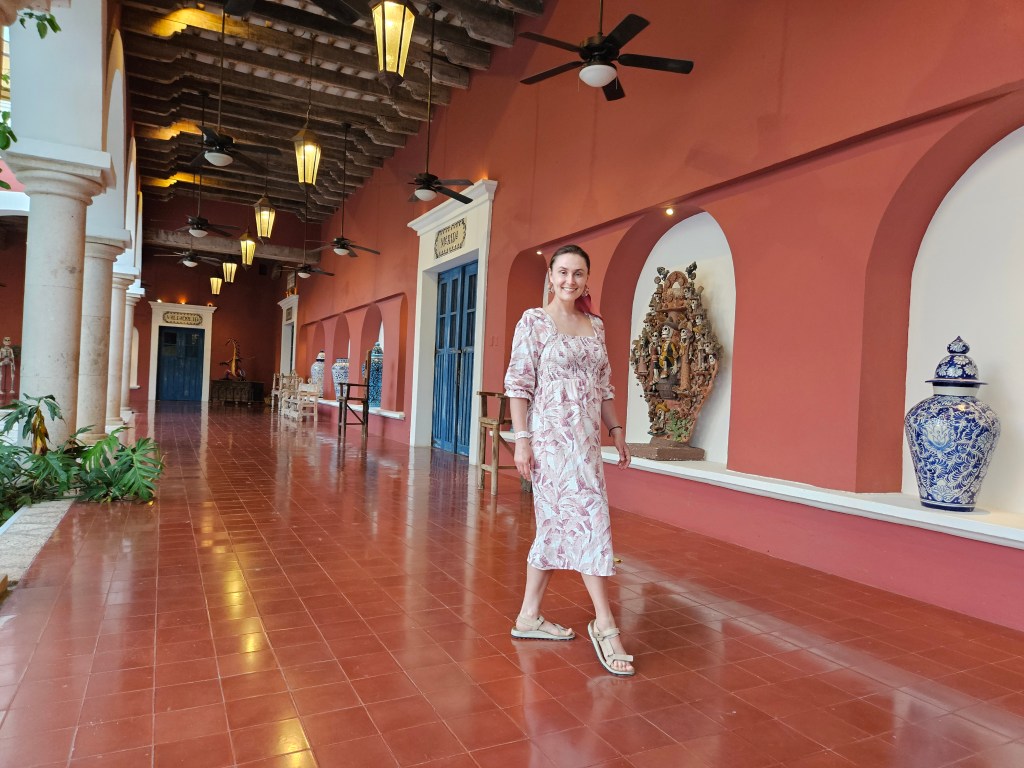
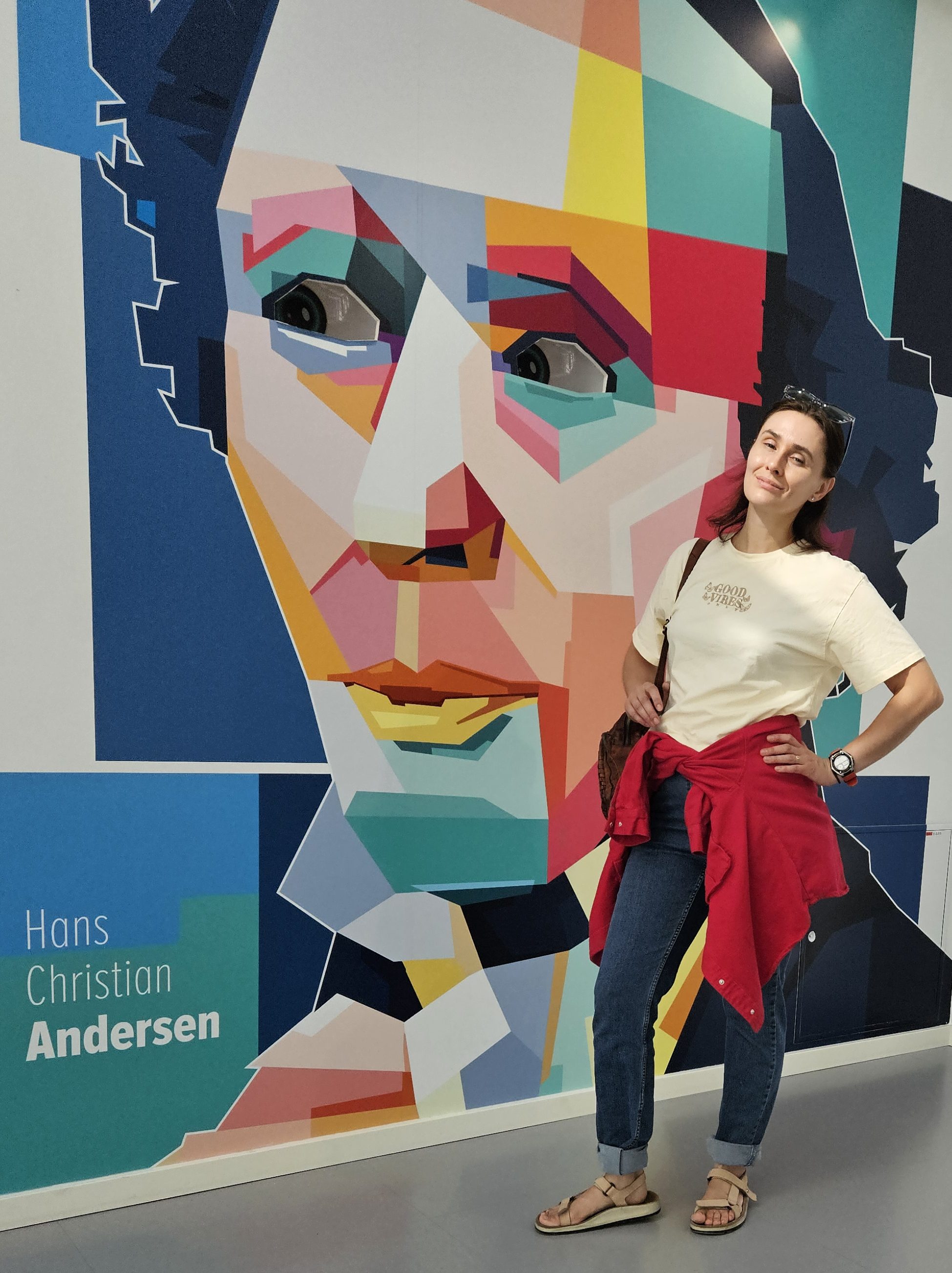
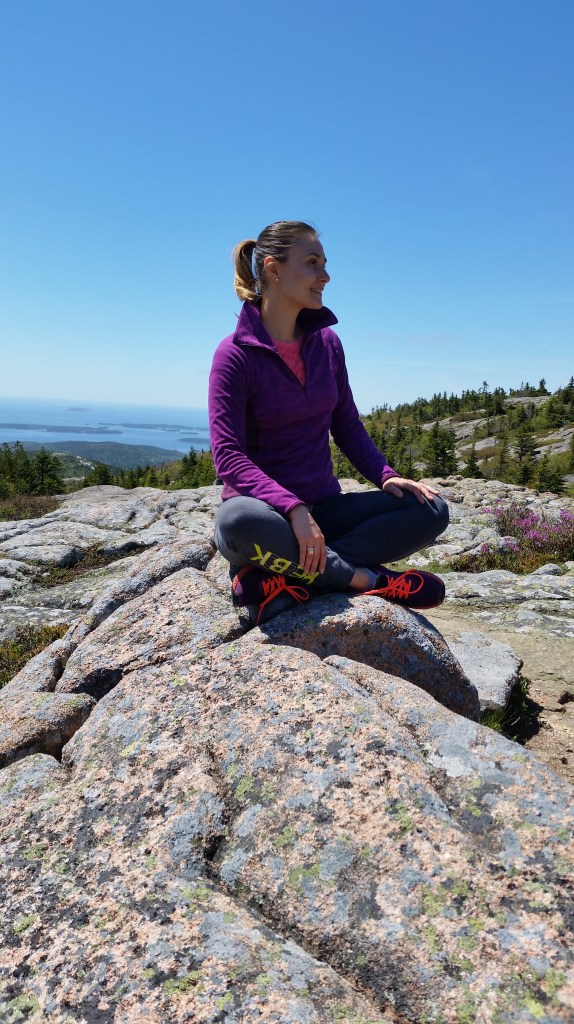
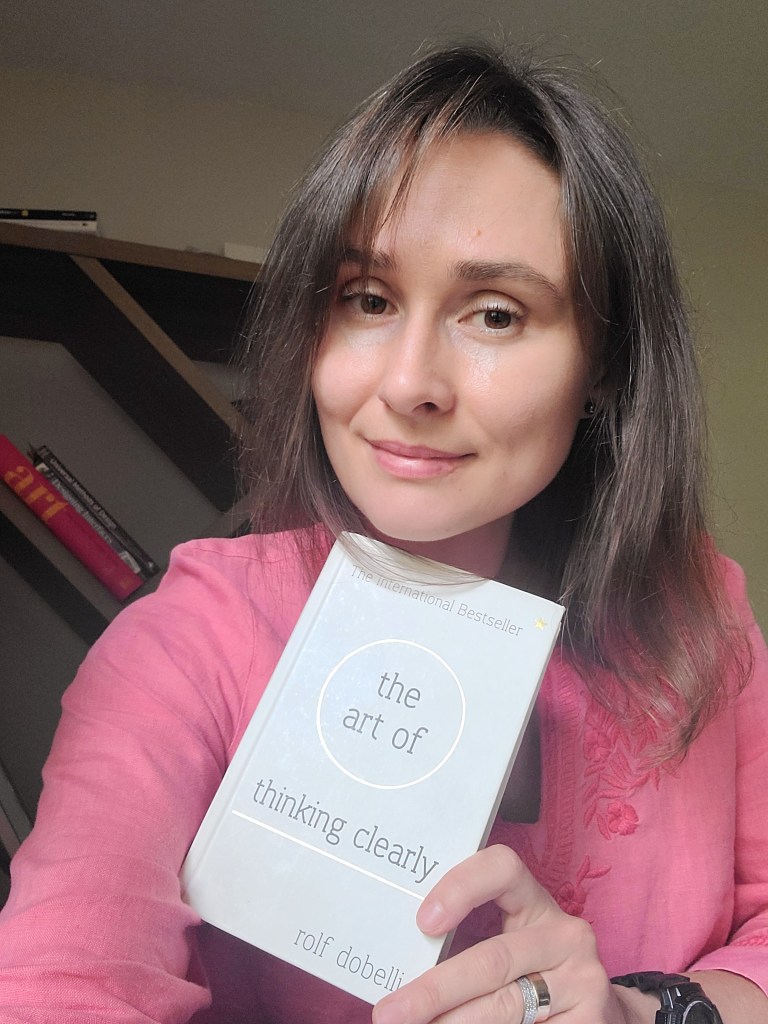
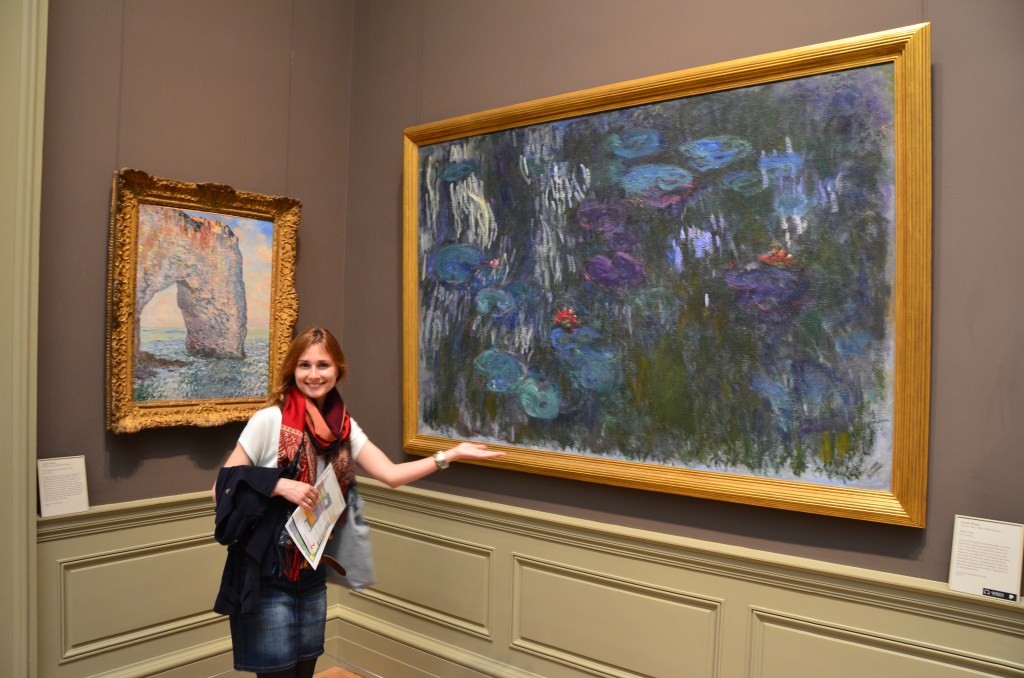
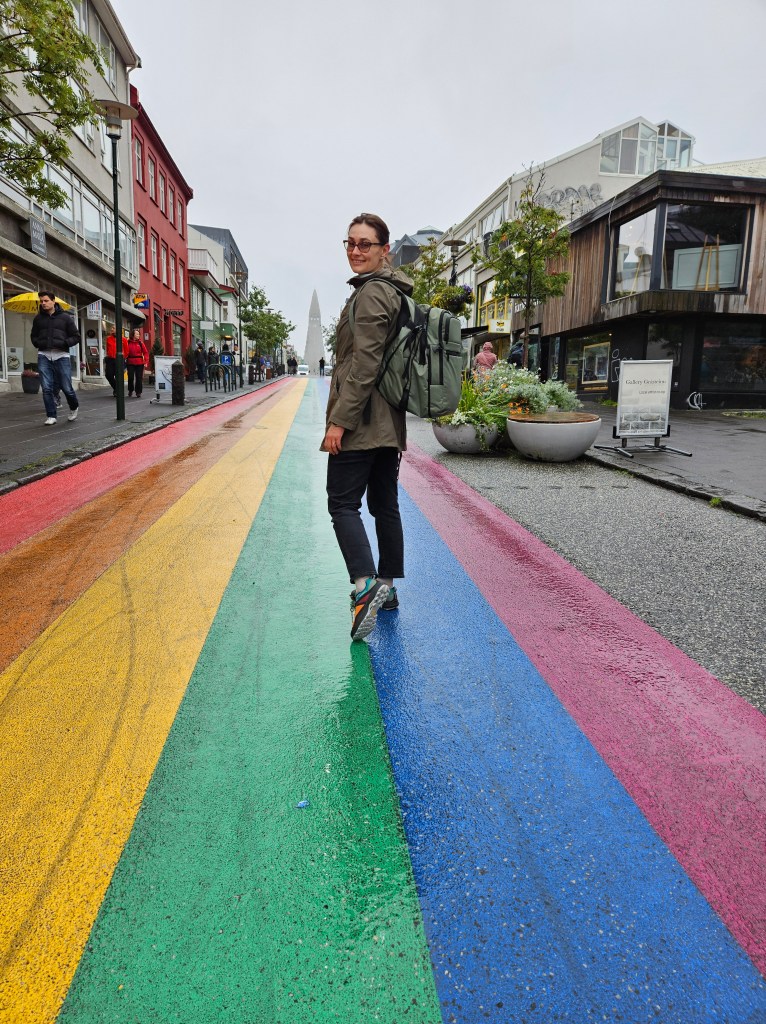
When I’m not working, I love exploring the world – whether through travel, where I dive into local architecture, languages, and traditions, or through other moments – like biking, yoga, wandering art museums, or attending concerts. You might also find me reading (currently working my way through “The Universe in a Nutshell” by Stephen Hawking), experimenting in the kitchen, or enjoying time with my family.



 bulaieva.com